
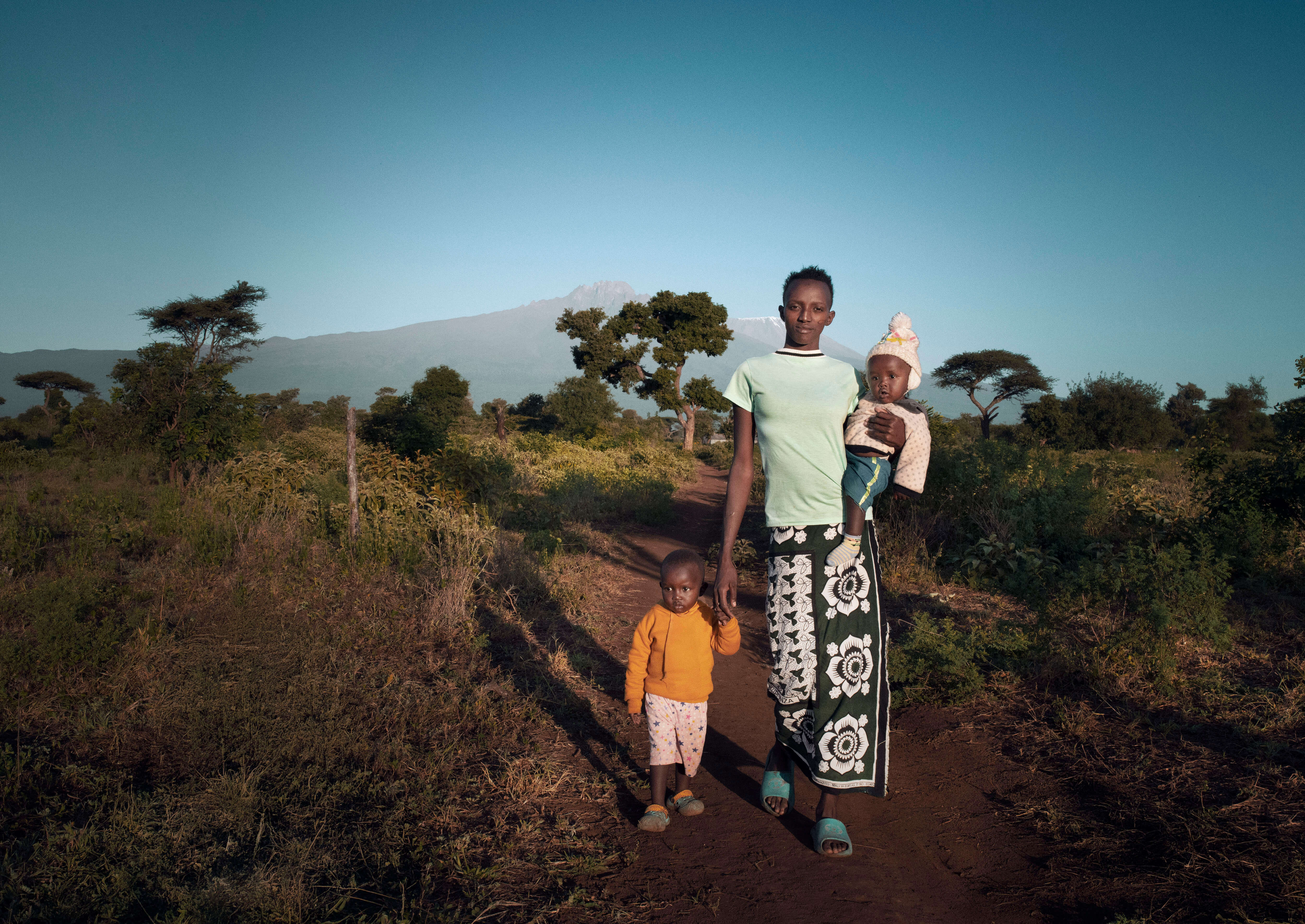

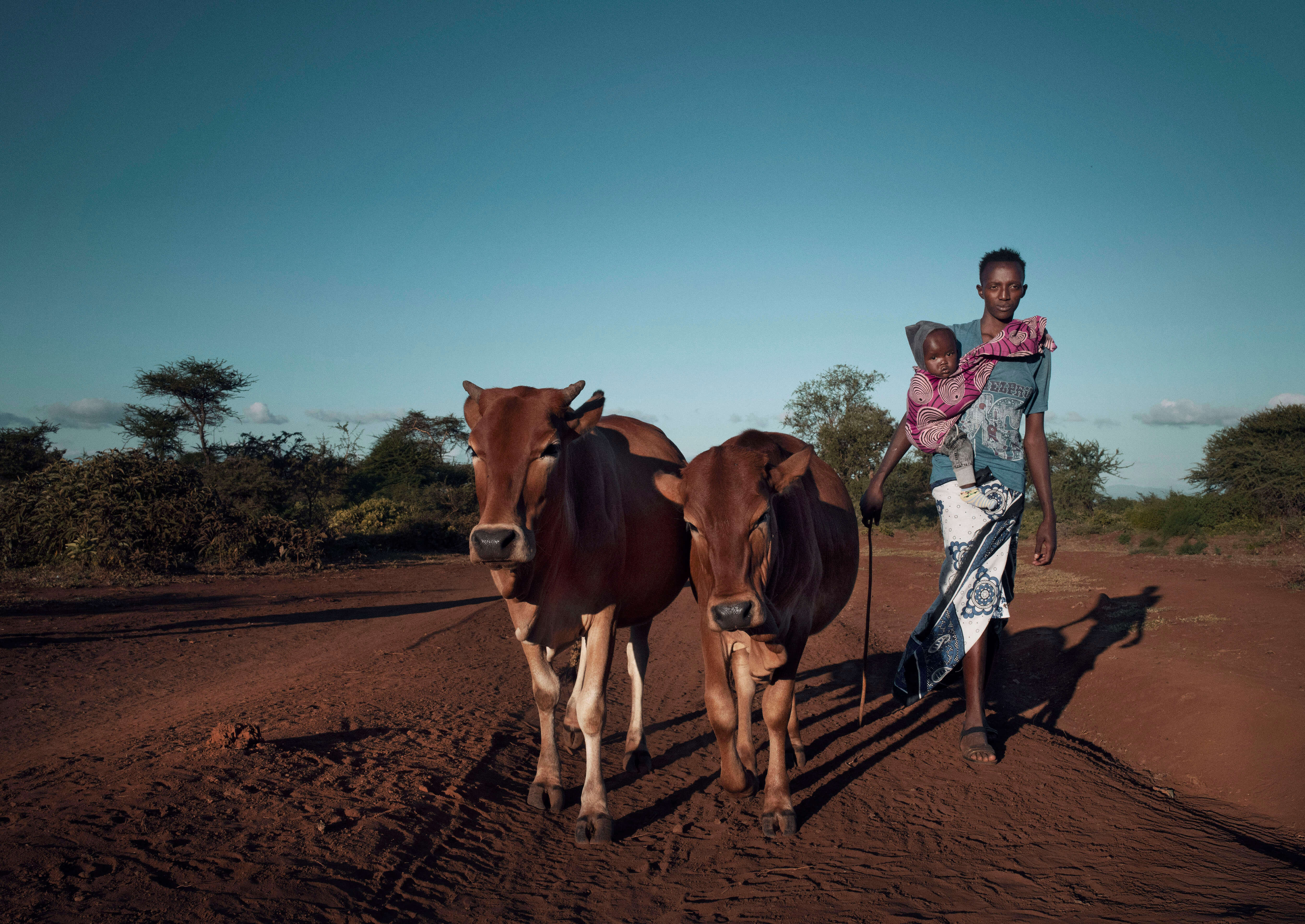

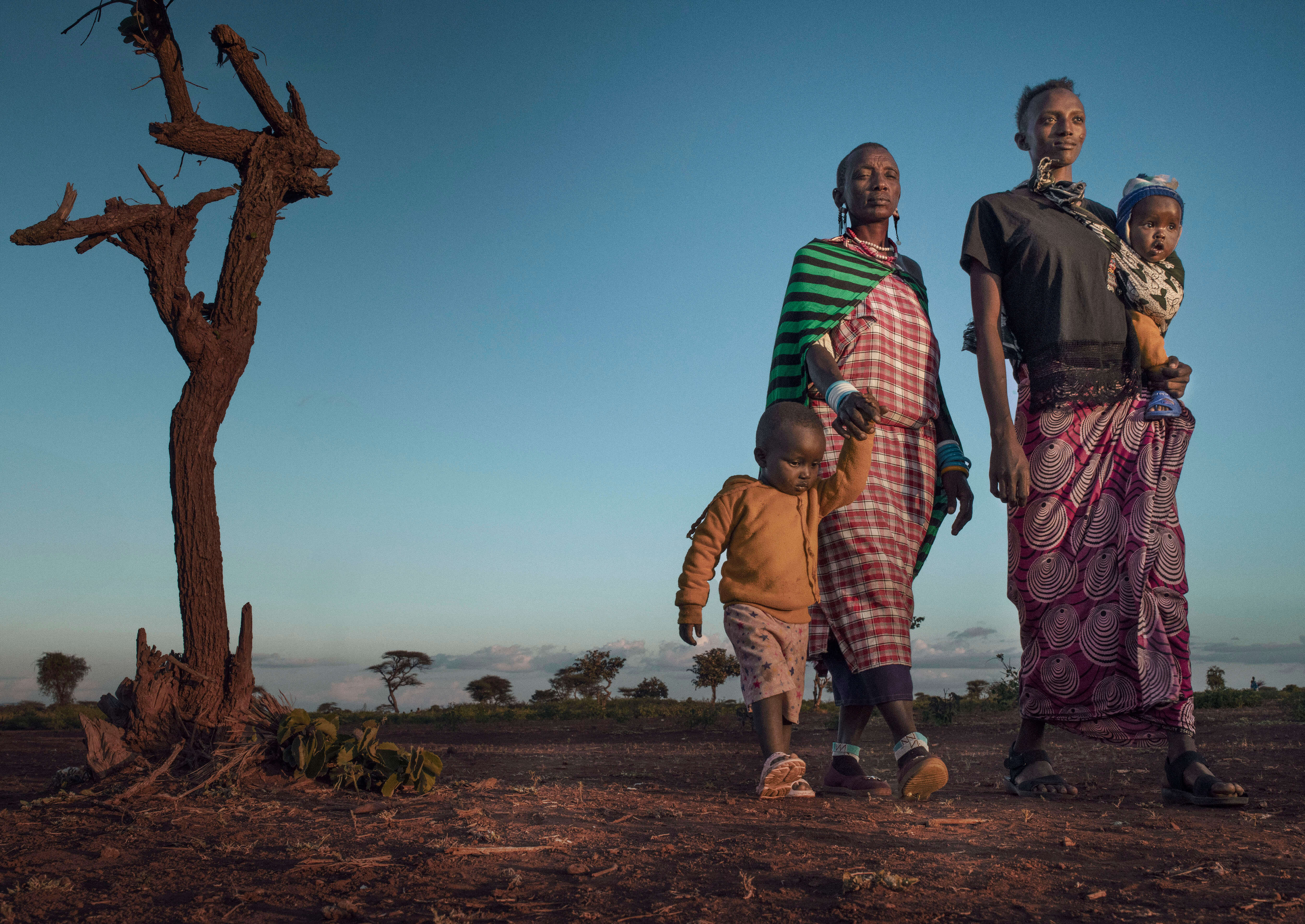

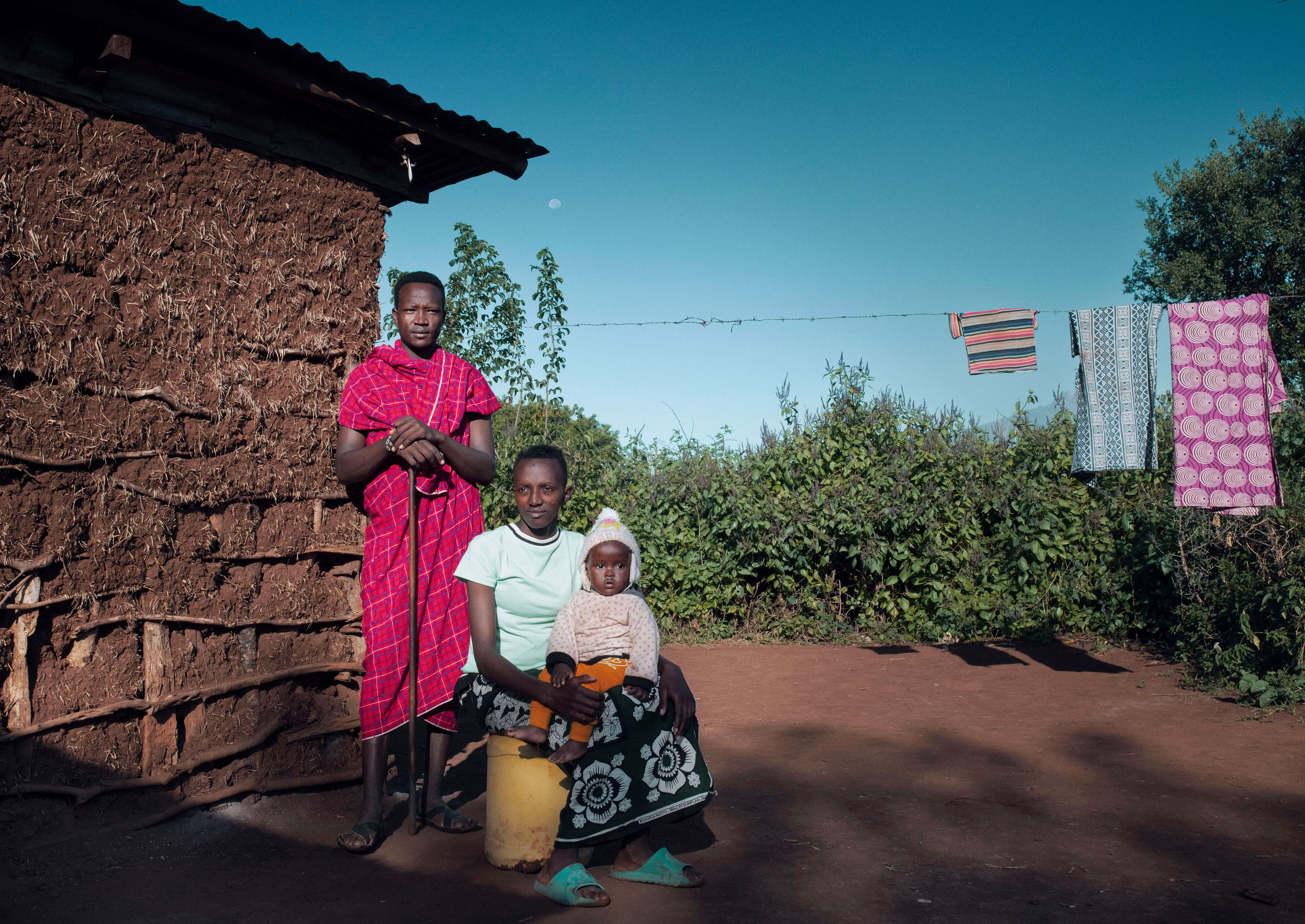
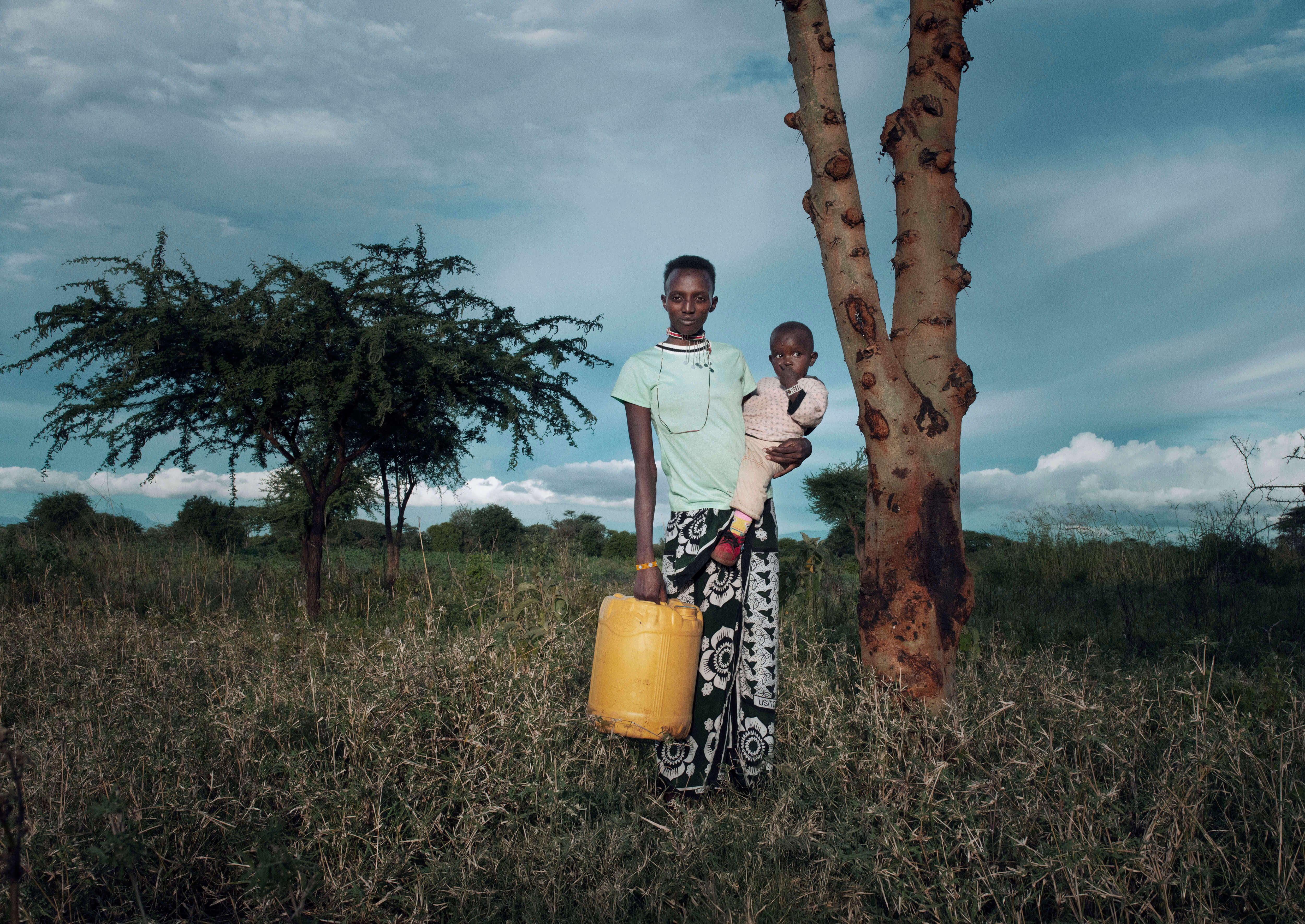
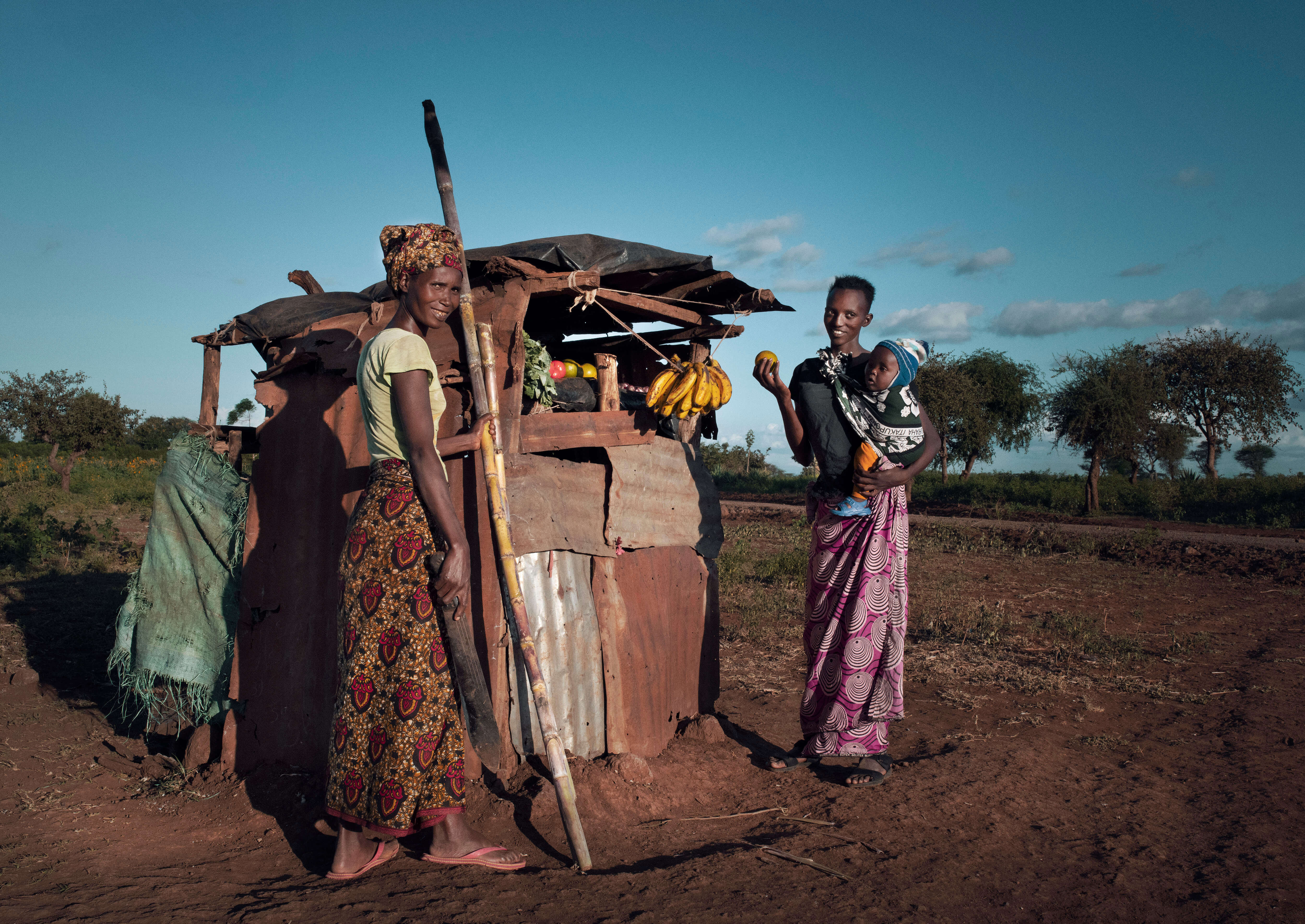
Every three seconds, a girl under the age of 18 is married off somewhere in the world. In Kenya, child marriage is prohibited by law, yet it continues to happen daily, with perpetrators often escaping punishment. Why? In practice, the law clashes with poverty, gender inequality and centuries-old traditions.
Despite laws banning child marriage and female genital mutilation (FGM), both practices persist in rural Kenya, driven by poverty, gender inequality and cultural traditions. Weak law enforcement and corruption allow them to continue.
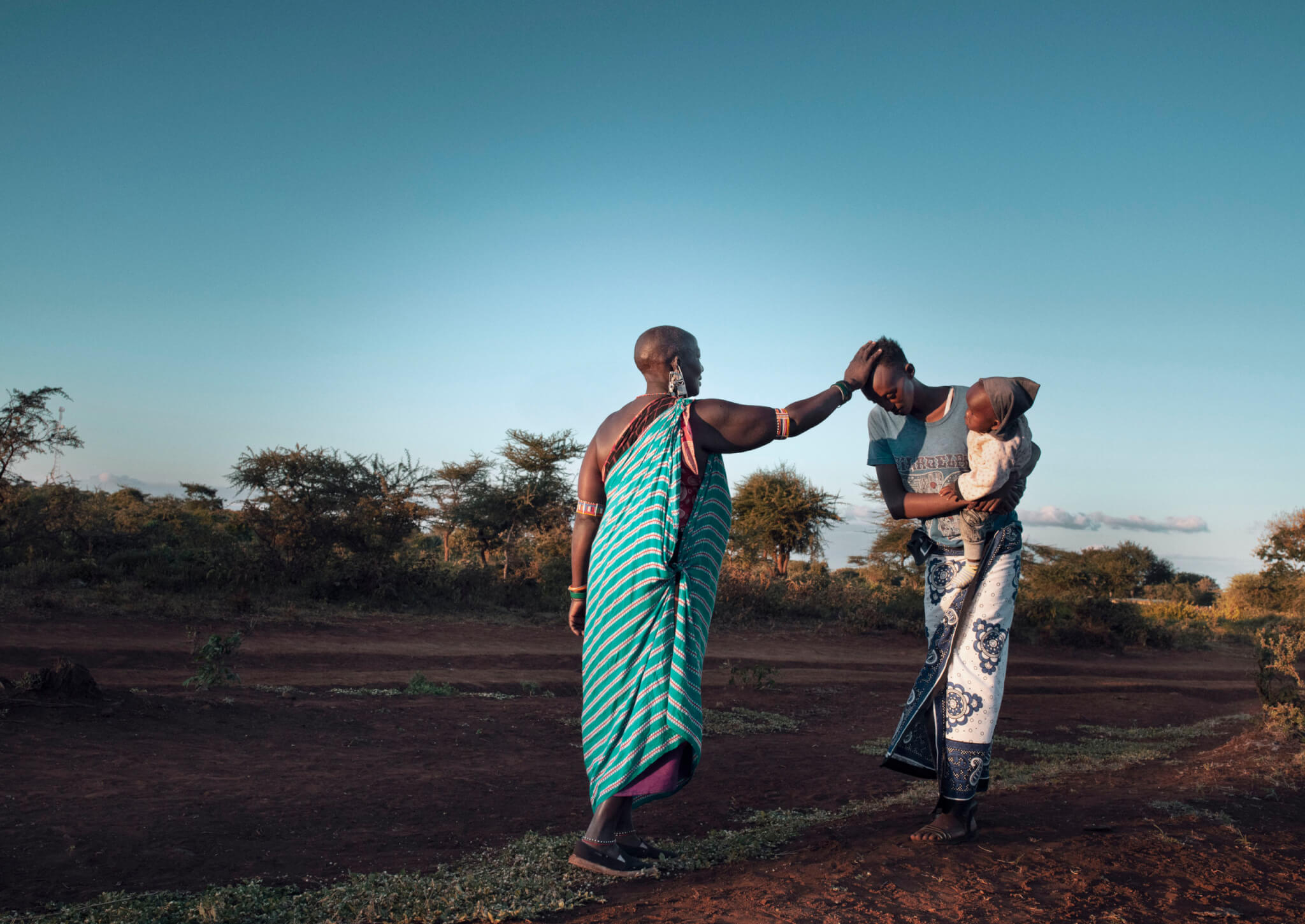
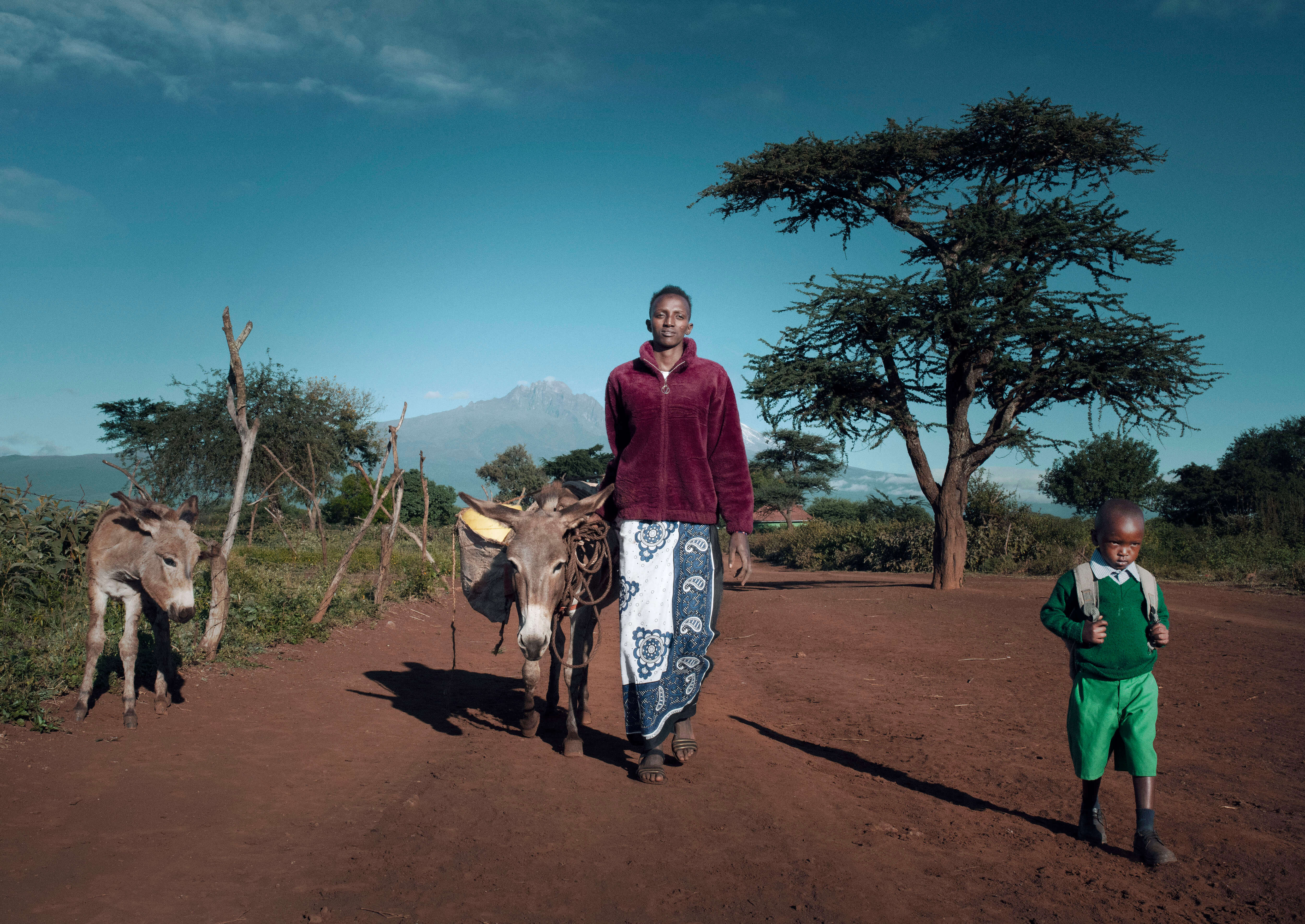
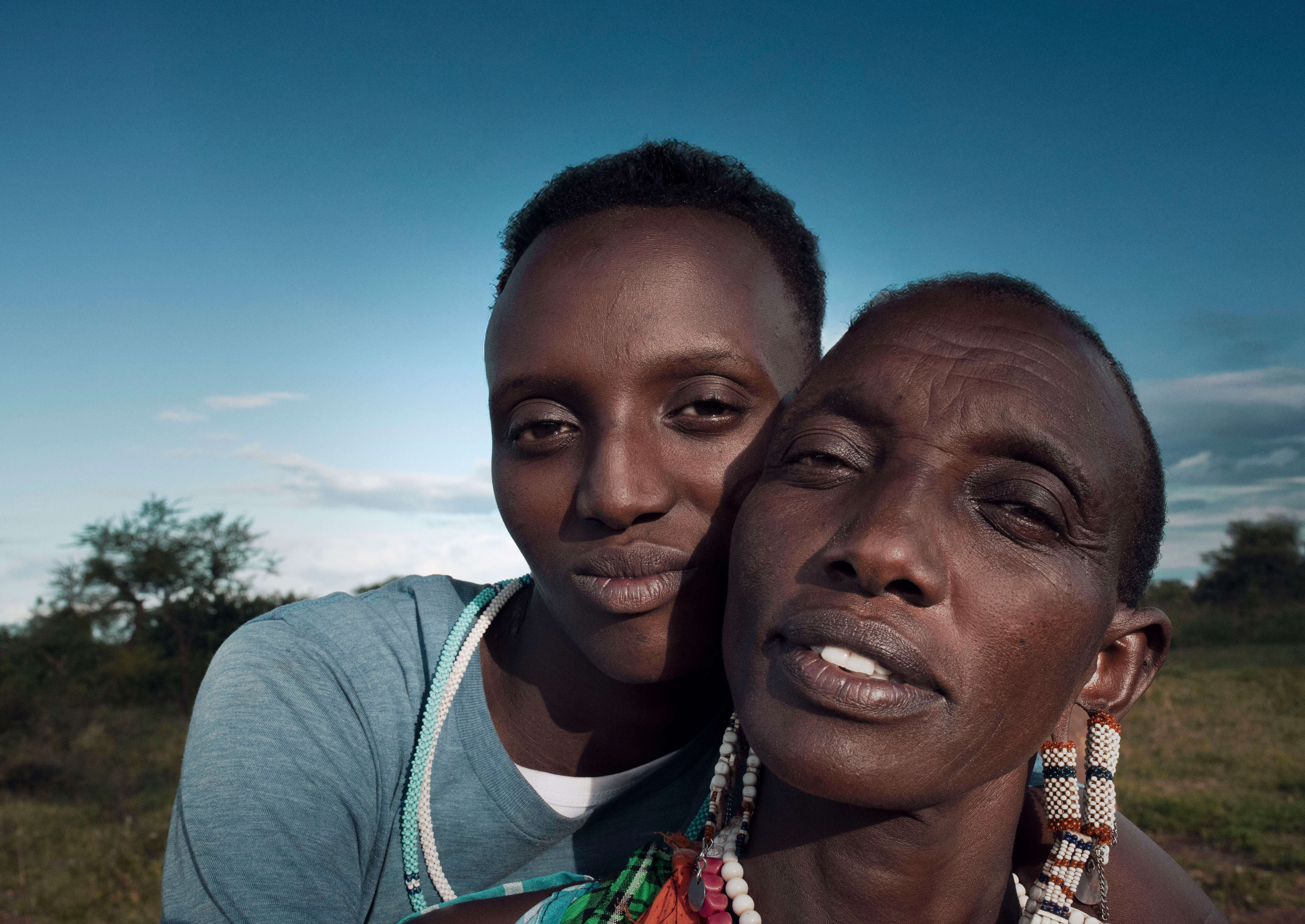
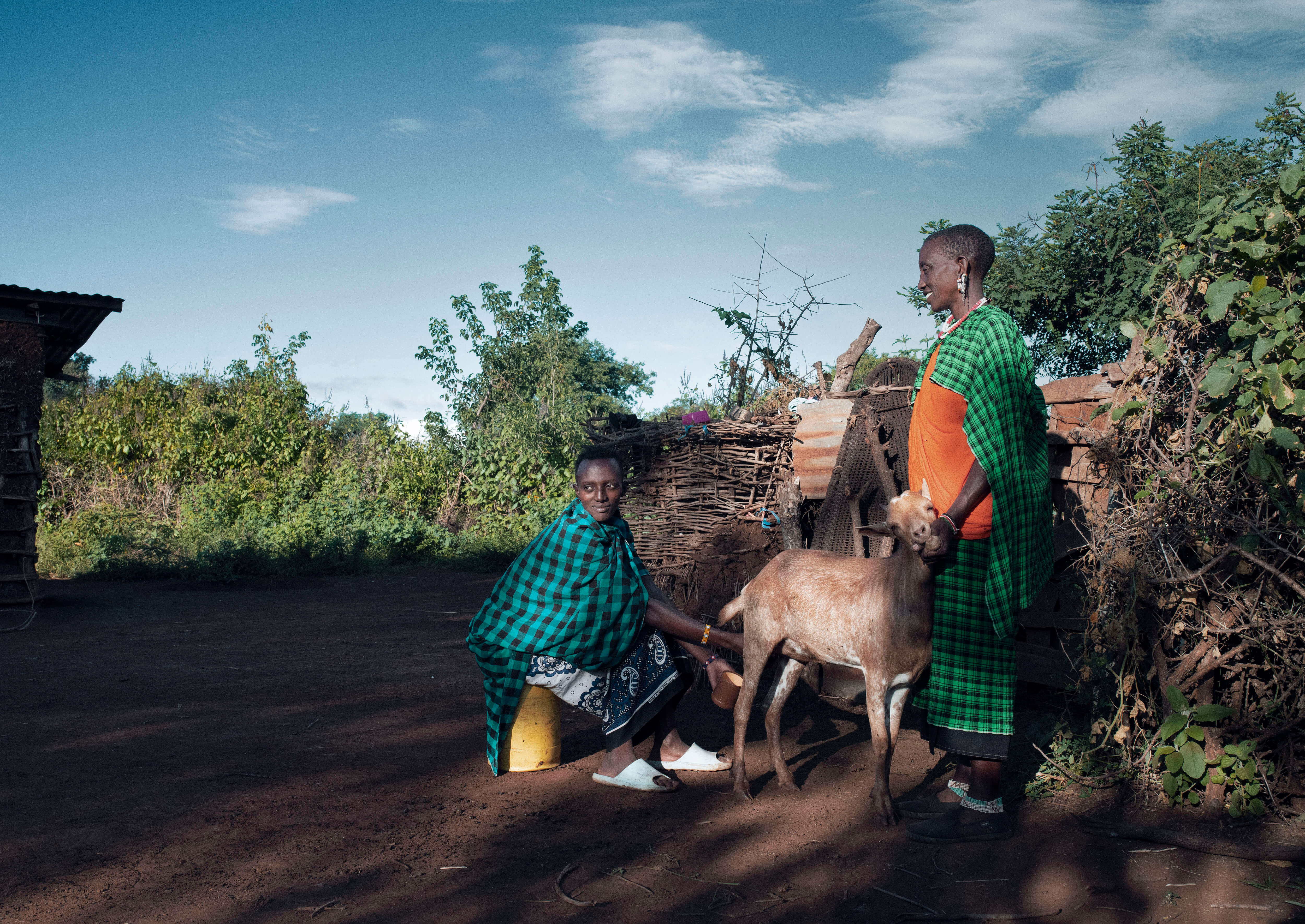
Through the stories of Esther, her brother, a community elder, a FGM practitioner and a local police officer, the reportage reveals the complex tensions between cultural traditions, economic pressures and girls’ rights. While deeply rooted beliefs and weak law enforcement allow these practices to persist, education, local initiatives and changing attitudes offer hope for future generations.
Images: Nicole Franken – Text: Yvonne Dudock
